What Happened When Small Farms Started Feeding Families Directly
A quiet transformation is reshaping how New Zealanders source their food
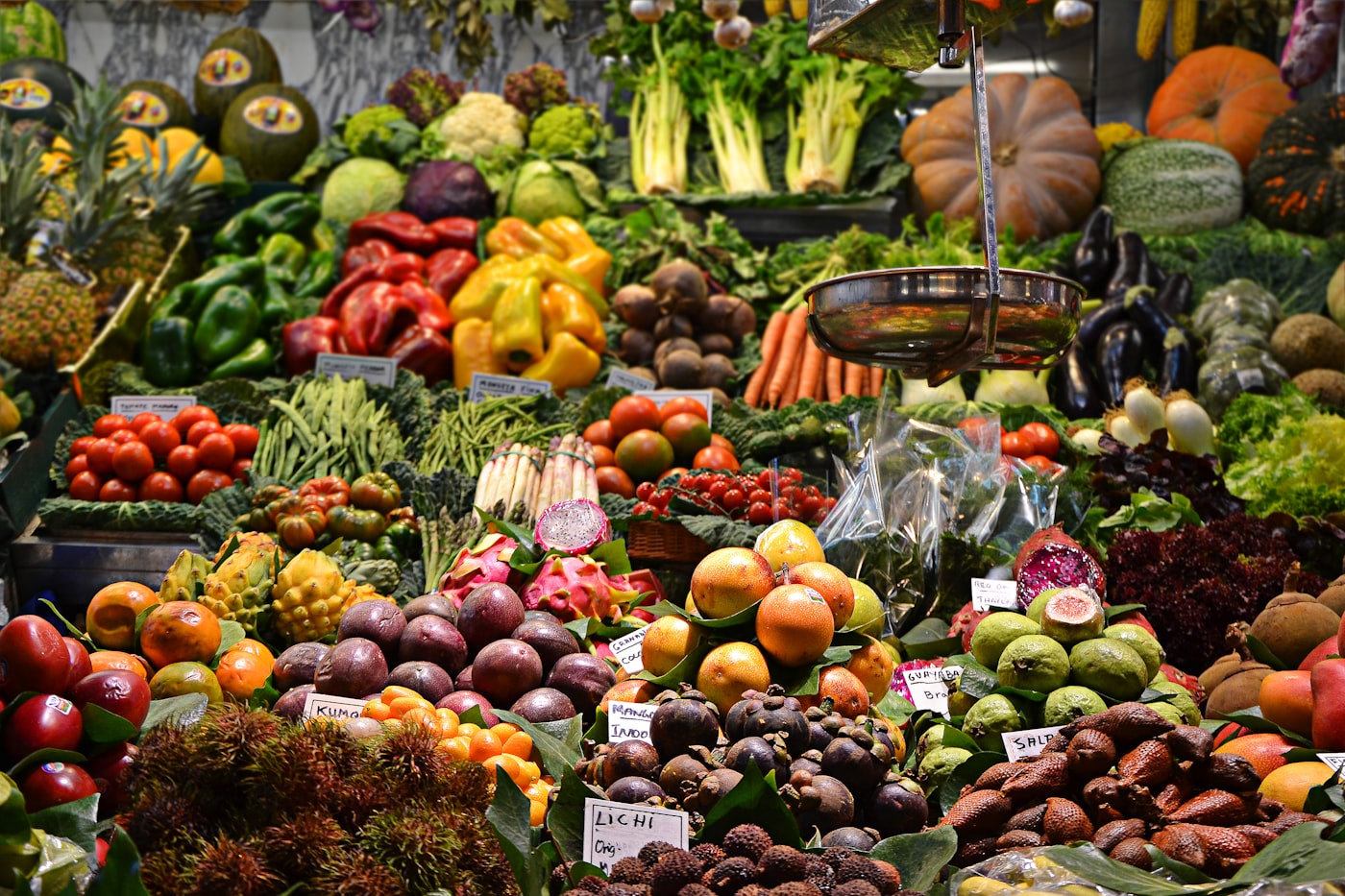
Three years ago, Sarah Mitchell noticed something peculiar. Her family's grocery bills kept rising, but the quality of vegetables seemed to decline. The tomatoes tasted like water. The lettuce wilted within days.
She wasn't alone in this frustration.
Across Auckland, Wellington, and Christchurch, families were experiencing the same disconnect between what they paid and what they received. Industrial agriculture had optimized for shelf life and transport durability, not flavor or nutritional density.
The Distance Problem
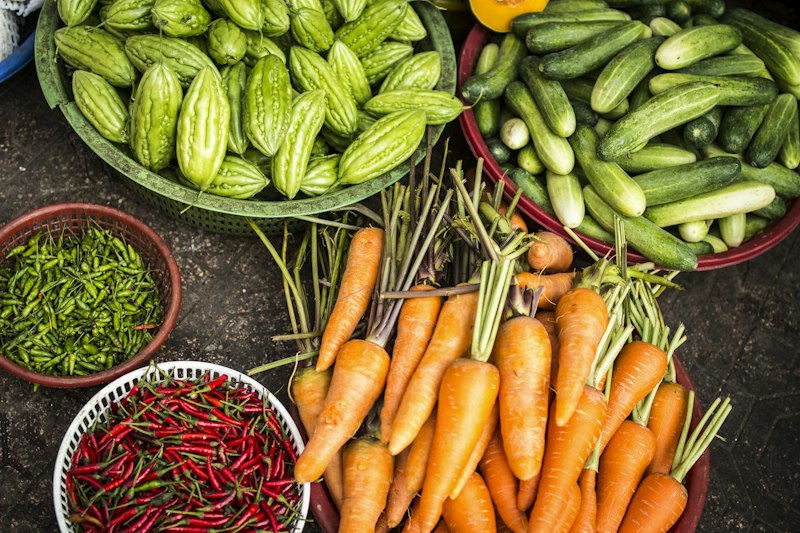
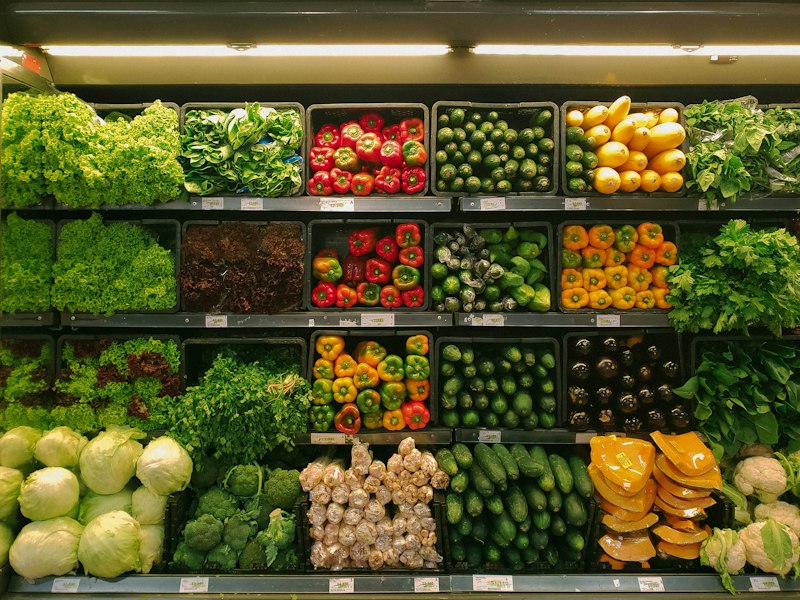
Most produce travels between 1,500 and 2,500 kilometers before reaching your plate. It's picked unripe, stored in climate-controlled warehouses, and treated with preservatives to survive the journey.
By the time it reaches your kitchen, it has lost significant nutritional value. Studies show that spinach can lose up to 90% of its vitamin C within 24 hours of harvest.
But something interesting began happening around 2020. Small farms started experimenting with direct-to-consumer models. Instead of selling to distributors, they began delivering directly to families within 50 kilometers of their fields.
The difference was immediate and measurable.
Harvest to Table in Under 24 Hours
When produce travels less than 50 kilometers and arrives within a day of picking, it retains nearly all its nutritional content. The taste difference is profound.
Why Industrial Agriculture Struggles with Quality
Large-scale farming faces structural challenges. To serve supermarket chains, farms must prioritize varieties that ship well over those that taste good. They harvest before peak ripeness. They focus on visual uniformity rather than flavor complexity.
This isn't a criticism of farmers. It's a consequence of the system they operate within.
What Changed
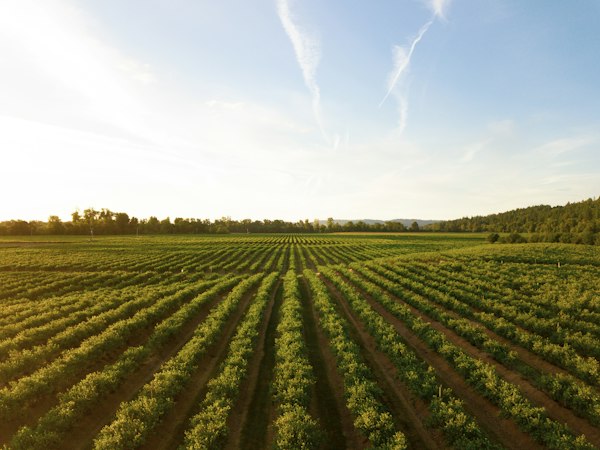
Local farms discovered they could operate differently. By selling directly to consumers, they could grow heritage varieties prized for flavor. They could pick produce at peak ripeness. They could harvest in the morning and deliver by afternoon.
The economics worked because they eliminated middlemen. No distributor fees. No supermarket markups. No packaging for long-distance transport.
Rachel Chen, who runs a 15-hectare farm in Canterbury, explained it this way: "We grow what tastes good, not what survives a week in a truck. Our customers can taste the difference immediately."
Her waiting list currently has 340 families.
The Nutritional Reality
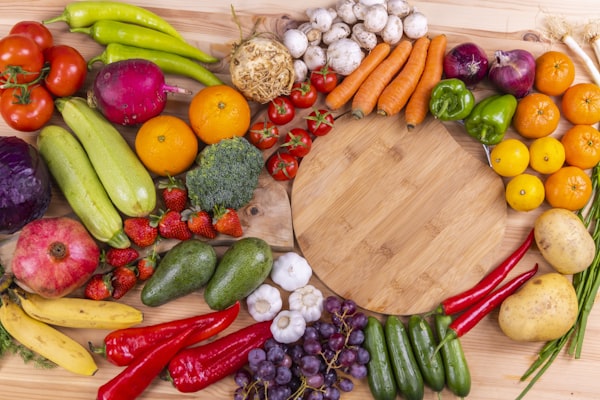
Research from Massey University found that locally sourced vegetables contained significantly higher levels of vitamins A, C, and K compared to their supermarket equivalents. The difference ranged from 15% to 60% depending on the vegetable and time of year.
Iron content in locally grown spinach measured 40% higher. Beta-carotene in carrots showed similar increases.
These aren't marginal differences. They represent meaningful nutritional advantages that compound over time.
Environmental Impact
Local food systems reduce carbon emissions by an average of 85% compared to conventional supply chains. Less transport, less refrigeration, less packaging waste.
How It Actually Works
The model is straightforward. Farms coordinate with families within their delivery radius. Orders are placed mid-week. Harvesting happens Friday or Saturday morning. Delivery occurs the same day or the following morning.
No intermediaries. No storage facilities. No complex logistics.
Supporting Local Economies
When you purchase from local farms, the entire payment stays within your community. Farmers earn fair prices without splitting revenue with distributors and retailers.
This enables smaller farms to remain viable, preserving agricultural diversity and rural employment.
"We switched to local farm delivery six months ago. My kids actually eat vegetables now. They say they taste better, and honestly, they're right."
— James Whitaker, Wellington
What You Can Access
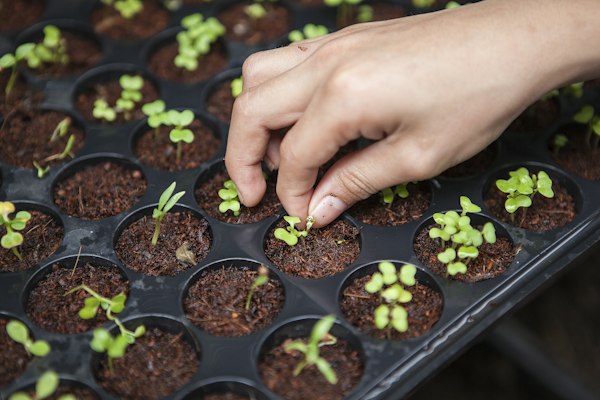
The network of participating farms has grown substantially. Current offerings include seasonal vegetables, heritage fruits, free-range eggs, artisan dairy products, and specialty items like microgreens and edible flowers.
Everything is grown using sustainable practices. Many farms are certified organic, though not all choose to pursue formal certification.
See What's Available in Your Area
Choose a delivery option below to explore what local farms can provide to your household.
View Delivery OptionsCurrent Delivery Programs
Three primary programs serve different household needs. All include same-day or next-day delivery from local farms within 50 kilometers.
Weekly Essential Box
Seasonal vegetables and fruits selected by farmers based on peak harvest. Feeds a family of four for one week.
- 8-10 vegetable varieties
- 3-4 fruit selections
- Recipe suggestions included
- Harvested Friday, delivered Saturday
Premium Harvest Selection
Expanded variety including specialty items and heritage varieties. Feeds a family of four with greater diversity.
- 12-15 vegetable varieties
- 5-6 fruit selections
- Heritage and heirloom varieties
- Free-range eggs (dozen)
- Seasonal herbs and microgreens
Complete Farm Share
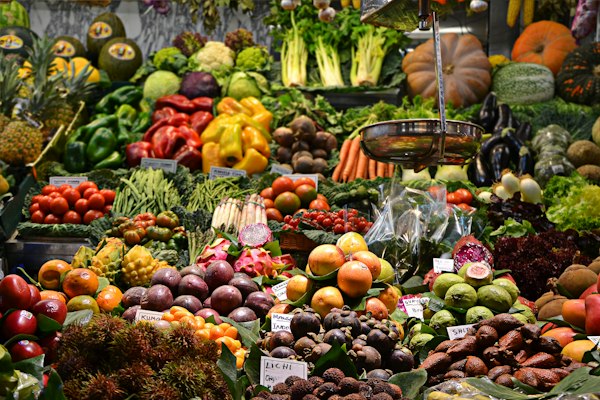
Comprehensive program including vegetables, fruits, dairy, and specialty items. Full household provisioning.
- 15-18 vegetable varieties
- 6-8 fruit selections
- Artisan cheese (400g)
- Free-range eggs (18 count)
- Fresh bread from local bakery
- Seasonal preserves or honey
Bi-Weekly Essentials
For smaller households or supplemental needs. Delivered every two weeks with core staples.
- 6-8 vegetable varieties
- 2-3 fruit selections
- Optimized for singles or couples
- No commitment required
Why Families Continue After Trying Once
The retention rate exceeds 87%. Once families experience the taste difference and see the freshness, they rarely return to conventional shopping for produce.
Children become more willing to eat vegetables. Meal planning simplifies because you're working with peak-season ingredients. Food waste decreases because produce lasts longer.
"I thought this would be expensive, but we actually spend less now because nothing goes bad before we can use it. Plus the tomatoes taste like actual tomatoes."
— Patricia Nguyen, Auckland
Starting Your First Delivery
The process is simple. Select the program that fits your household size and preferences. Provide your delivery details. Confirm your first delivery date.
There are no long-term commitments. You can pause, adjust, or modify your selections at any time.
Important Notice: The information provided on this website is for educational purposes and describes potential benefits of local food systems. Individual results may vary based on dietary needs and preferences. This service is not intended to diagnose, treat, or prevent any medical condition. We recommend consulting with a qualified nutritionist or healthcare provider before making significant dietary changes, especially if you have specific health concerns or dietary restrictions.
Begin Receiving Fresh, Local Produce
Select your preferred program above and complete the delivery form to start your first order.