How This Network Started
The story behind connecting farms with families

In 2019, fifteen small farms across New Zealand faced the same problem. They were producing exceptional food, but traditional distribution channels demanded they compete on price rather than quality. Supermarkets wanted uniform appearance and extended shelf life. The characteristics that made their produce special became irrelevant.
Around the same time, families in urban areas were frustrated with declining produce quality despite rising prices. The disconnect was clear but seemed difficult to solve.
The Initial Experiment
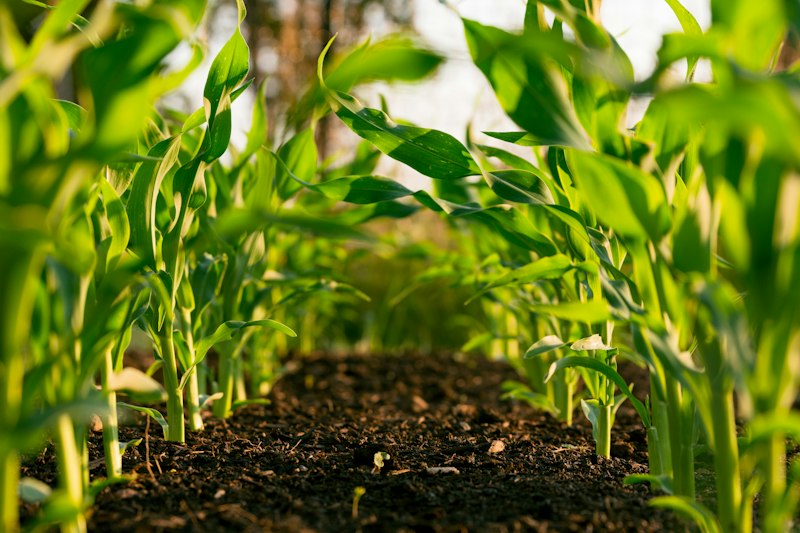
Three farms in Canterbury decided to try direct delivery within a 50-kilometer radius. They created a simple coordination system, harvested on Fridays, and delivered on Saturdays.
The response surprised them. Within six weeks, they had 120 regular customers. Word spread through local communities.
What We Learned
Distance matters more than we realized. Produce that travels less than 50 kilometers maintains nutritional content and flavor that longer supply chains cannot preserve. The difference is measurable and noticeable.
Families value transparency. Knowing exactly where food comes from and how it's grown builds trust that supermarket supply chains cannot match.
Seasonal eating makes sense when you work with local farms. Instead of demanding year-round access to every vegetable, customers appreciated the rhythm of what grows well in each season.
How the Network Grew
By 2021, thirty farms had joined the network. They shared logistics knowledge, coordinated delivery routes, and maintained consistent quality standards.
Today, over eighty farms participate across the North and South Islands. Each maintains independence while benefiting from shared infrastructure and customer relationships.
Quality Standards
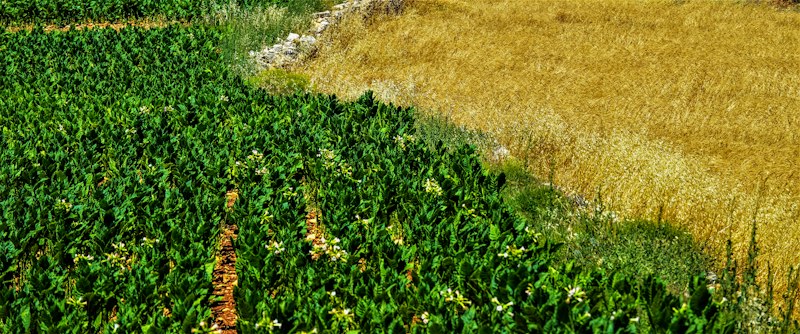
Every participating farm follows sustainable growing practices. Most use organic methods, though not all pursue formal certification due to the cost.
Harvesting happens at peak ripeness rather than early for transport durability. Delivery occurs within 24 hours of harvest.
Supporting Small-Scale Agriculture
Industrial agriculture has advantages, but it marginalizes farms that prioritize quality over volume. By creating direct relationships with consumers, small farms can remain economically viable while growing food that actually tastes good.
This preserves agricultural diversity. Heritage vegetable varieties that supermarkets won't stock become available again. Farming techniques focused on soil health rather than maximum yield become practical.
Environmental Considerations
Local food systems reduce environmental impact through shorter transport distances, less refrigerated storage, and minimal packaging. Carbon emissions decrease by approximately 85% compared to conventional supply chains.
Participating farms emphasize soil health, which improves carbon sequestration and reduces reliance on synthetic inputs. Crop rotation and biodiversity support ecosystem resilience.
Looking Forward
The network continues expanding as more farms recognize the benefits of direct-to-consumer relationships. Urban demand for local, fresh produce shows no signs of declining.
We believe this model represents a sustainable alternative to industrial food systems. Not a replacement, but a complementary approach that serves families who value quality, freshness, and transparency.